
Note: This content was marked as being out-of-date or including information that has evolved over time.
What is Dirty Gold?
A gift of gold often symbolizes love, commitment, romance, and friendship.
Yet, gold mining is one of the most destructive activities in the world, and has been linked to grievous environmental, social justice, and human rights violations.
Dirty Gold’s Impact
Most consumers don’t know where the gold in their products comes from, or how it is mined. It can displace communities, contaminate drinking water, hurt workers, and destroy pristine environments. It pollutes water and land with mercury and cyanide, endangering the health of people and ecosystems.
Producing gold for one wedding ring alone generates 20 tons of waste.
The severity of the environmental and social problems associated with gold production has generated an interest in finding alternatives to gold produced using harmful practices. This interest comes not only from environmental, human rights and social justice groups, but also from jewelry retailers, electronics producers, and individual consumers.
About the No Dirty Gold Campaign
No Dirty Gold is an international campaign working to ensure that gold mining operations respect human rights and the environment. The No Dirty Gold campaign seeks to educate consumers, retailers, manufacturers about the impacts of irresponsible gold mining, and to enlist their support to persuade the mining industry to clean up its act.
No Dirty Gold is not calling for a boycott of gold. We are demanding changes in the way that metals are extracted and produced—all too often at the expense of communities, workers, and the environment. We are demanding alternatives to “dirty”—or irresponsibly produced—metals.
Better Mining
Reducing the ecological and human footprint of mining is essential. One way we do that is to promote alternatives to mining. We support sustainable materials use in the form of increased efficiency, recycling, and repurposing—tapping existing supplies of minerals, and boosting recycling rates.
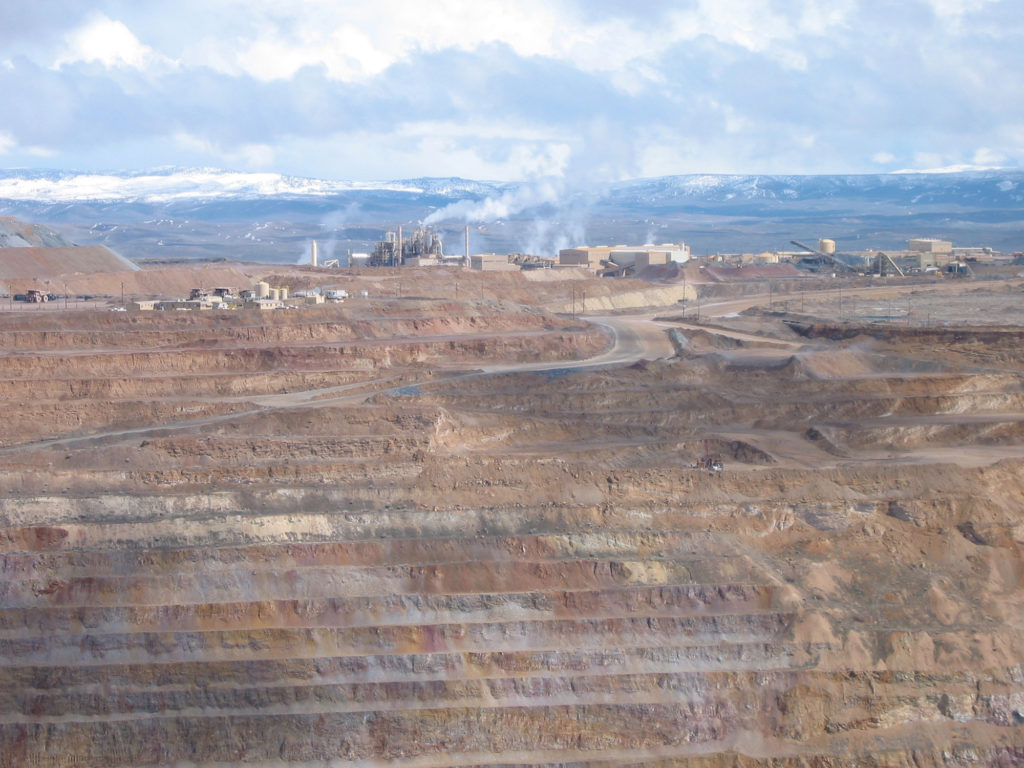
Gold mining is without doubt one of the world’s dirtiest industries: it uses cyanide, generates heaps of waste, and leaves a long-lasting scar on landscapes and communities.
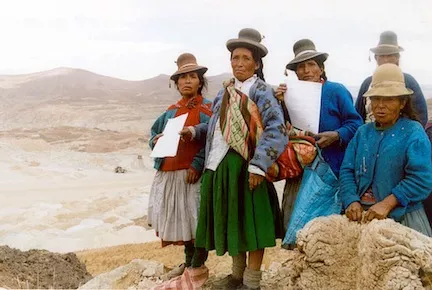
In places as diverse as Ghana, Indonesia, the United States, and Peru, gold mining operations have displaced people from their homelands against their will, destroyed traditional livelihoods, and damaged ecosystems. Indigenous people in particular disproportionately suffer the negative effects of gold mining, adding to the injustices they already endure. More than half of all gold comes from indigenous peoples’ lands.
The No Dirty Gold campaign supports the rights of communities to determine their own futures—not to have it decided for them by corporations. We work at both ends of the metals supply chain.
Retailers
Gold mining is one of the dirtiest industries in the world—it contaminates drinking water, destroys traditional livelihoods, and displaces indigenous communities. And irresponsible mining harms the reputation of retailers and manufacturers of products that use gold, such as jewelry and electronics.
Jewelry and electronics retailers may not be operating mining equipment, but they are driving the industry. That’s why we’ve enlisted over 100 retailers including 8 of the top 10 jewelry retailers in the United States, to endorse the Golden Rules for more responsible metals sourcing. On the other end of the supply chain, we work with communities affected by mining and grassroots groups to hold mining companies accountable, and to protect livelihoods, health and ecosystems from irresponsible mining.
More than 100,000 consumers want jewelry retailers to stop dirty gold
Over 100,000 individuals from countries around the world have signed the No Dirty Gold pledge asking retailers to work to ensure that the gold in their products was not produced at the expense of local communities, workers, and the environment.
These conscious consumers are calling on jewelry and electronics retailers such as you to insist that the gold you are buying and selling is responsibly produced.
How you can help
We are calling on retailers and consumers to demand changes in mining practices that will protect these precious rights and resources.
If you’re a retailer, please contact us about signing on to the Golden Rules.
For More Information
- Golden Rules for more responsible metals sourcing
- Dirty Gold’s impacts
- Retailers Supporting the Golden Rules
Campaign Allies
Around the world, mine-affected communities, grassroots organizations, and national and international organizations are working to end dirty gold mining practices.
The No Dirty Gold seeks to support these efforts and to collaborate with other like-minded organizations.
If your organization supports the goals of the No Dirty Gold campaign, and would like to be listed as a campaign ally, please send an email to info@nodirtygold.org.
Campaign Allies
Alburnus Maior (Romania)
Alaskans for Responsible Mining (United States)
Asociacion Guarango (Peru)
CEE Bankwatch Network (Europe)
Center for a New American Dream (United States)
CAFOD (United Kingdom)
EARTHWORKS (United States)
FIAN (Germany)
For the Earth (Bulgaria)
FutaFriends (Chile)
Global Response (United States)
Great Basin Mine Watch (United States)
Hellenic Mining Watch (Greece)
Indigenous Justice Advocacy Network (Australia)
FoodFirst Information and Action Network (Germany)
Friends of the Earth Australia (Australia)
Friends of the Earth International (Netherlands)
Montana Environmental Information Center (United States)
Oxfam America (United States)
Oxfam Australia (Australia)
The Rainforest Information Centre (Australia)
Silicon Valley Toxics Coalition (United States)
Society for Corporate Environmental and Social Responsibility, Memorial University Chapter (Canada)
Southeast Alaska Conservation Council (United States)
Tree of Life (Kyrgyzstan)
Wassa Association of Communities Affected By Mining (Ghana)
Western Shoshone Defense Project (United States)
Women’s Voices for the Earth (United States)
Frequently Asked Questions about the No Dirty Gold Campaign:
1) What is the No Dirty Gold campaign?
The No Dirty Gold campaign is working to educate consumers, retailers, and the general public about the impacts of irresponsible gold mining, and to enlist their support to reform harmful mining practices. The campaign is not calling for a boycott of gold. It is calling on the mining industry to provide alternatives to irresponsibly mined gold, which today is too often produced at the expense of communities, workers, and the environment.
2) How can I as an individual help promote more responsible gold mining?
Join more than a hundred thousand consumers around the world in signing the pledge calling for alternatives to dirty gold. When you go jewelry shopping, use your consumer power! Make sure your jeweler is committed to the Golden Rules, or print out the Golden Rules and ask your jeweler to sign before you buy from them! (And don’t forget to email us when they do.)
3) Where can I buy gold that meets the criteria of the Golden Rules?
The retailers on the list have taken an important step and committed to supporting the Golden Rules. They do not guarantee, however, that their gold sourcing currently abides by those rules. One reason the No Dirty Gold campaign exists is because there is no alternative for new cleaner gold available to consumers—and we believe that market pressure can help create that option. Right now, stores don’t offer cleaner gold this option and companies don’t sell it. As a growing list of jewelry retailers signs on to the Golden Rules, the mining industry is beginning to get a strong signal that irresponsible practices are not acceptable. These retailers and thousands of consumers are in effect signaling to the marketplace that there is consumer demand for cleaner gold.
In the meantime, you can buy vintage or antique jewelry or jewelry made out of recycled gold. Several sources of such materials are available, including from some retailers who have signed the Golden Rules. And next time you are in a jewelry store, ask them to commit to the Golden Rules if they haven’t already!
4) So how are we going to get certified cleaner gold?
The commitments made by the Golden Rules signatories represent an important first step. The next step is to create a system, as in the case of diamonds and wood products, that assures consumers and retailers that the gold they are buying has been produced in ways that minimize harm to people or the environment.
A multi-stakeholder group of retailers, mining companies, and NGOs called the Initiative for Responsible Mining (IRMA) is working to develop a system to independently verify compliance with best practice standards for mining. Also see www.frameworkforresponsiblemining.org for a possible set of standards for more responsible mining recently commissioned by a multi-stakeholder group of jewelers, NGOs, and financial institutions.
Any legitimate process for creating a cleaner gold certification must include participation by mining-affected communities and civil society and cannot be controlled by the jewelry and/or mining industries.
5) What does endorsing the Golden Rules mean?
The companies listed on our website have made in-principle commitments to the Golden Rules which are criteria for more responsible mining. These companies have agreed to actively work within their companies and with their suppliers and vendors to track the sources of their gold. They have also committed to sourcing from operations that respect social, human rights, and environmental standards in gold production, when such independently verified sources become available.
By doing so, these retailers are signaling to the mining industry that there is a demand for more responsibly produced gold from the sector that is the largest user of gold—just as tens of thousands of individual consumers have already done over the last three years.
6) Who has signed on to the Golden Rules?
The current list includes 8 out of 10 of the largest U.S. jewelry firms, and comprises 22 percent of the country’s total jewelry sales ($12 billion). The retailers represent a diverse cross-section of the market, ranging from high-end jewelers like Tiffany & Co. and Cartier to class rings maker Commemorative Brands (marketer of Balfour and ArtCarved rings) to retail giant Target, to boutique jewelers like Leber Jewelers and Brilliant Earth.
To see how these jewelers are faring, check out our report card. For more information about the importance of jewelry retailers to cleaning up dirty gold, check out our fact sheet.
7) Who are the retailer laggards refusing to sign on to the Golden Rules?
Macys and Costco, two the biggest jewelry retailers in the U.S., lag behind other jewelry industry leaders who have signed on to the Golden Rules and made public their commitment to responsible gold sourcing.
In the past, the No Dirty Gold campaign named 8 firms as “lagging behind” on commitments to responsible gold sourcing. Over the past year, several of these companies have joined the leadership group by signing the Golden Rules.